Wood Planks Backgrounds: A Toolkit for Texture and Warmth
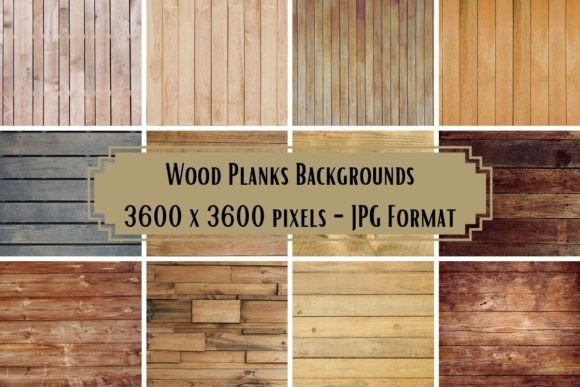
There’s a certain honesty to wood. It’s a material that speaks of nature, craftsmanship, and history. In the digital world, where everything can feel overly polished and sterile, incorporating that organic texture can make a design feel instantly more approachable and authentic. This is precisely where a versatile set of wood plank backgrounds becomes an invaluable asset. Imagine having a library of twelve distinct wood grain textures at your fingertips, each with its own character—from the smooth, light finish of sanded pine to the deep, rugged grooves of reclaimed barn wood.
This collection isn't just about slapping a picture of wood behind your text. It's about understanding the visual personality each plank carries. A pale, birch-like grain offers a clean, Scandinavian vibe perfect for minimalist branding or wedding invitations. A rich, dark walnut background conveys luxury and stability, ideal for a law firm's website header or high-end product packaging. The knots, lines, and subtle color variations in these backgrounds provide a level of depth and realism that a flat, digital color cannot replicate. They tell a story before a single word is read, setting a mood that is both tactile and emotional.
Practical Applications for Every Creator
The true power of these Wood Planks Backgrounds lies in their sheer versatility. They are not confined to a single niche but serve as foundational design assets across a multitude of projects. For the crafter and hobbyist, these JPGs are a perfect digital paper for scrapbooking layouts, giving photo albums a rustic, farmhouse feel. They transform simple card making into something more substantial, making handmade invitations for birthdays, baby showers, or rustic weddings feel professionally designed.
For entrepreneurs and small business owners, the applications extend directly into branding and marketing. A café owner could use a warm oak texture as the background for their menu design or social media posts, instantly communicating a cozy, artisanal atmosphere. A boutique retailer might use a weathered gray plank behind product photos on their website to create a cohesive, lifestyle-oriented brand identity. The consistent use of a specific wood texture across your logo design elements, packaging, and digital ads builds a recognizable visual language that customers learn to associate with your brand's values—be it natural, sustainable, handmade, or sturdy.
Marketers and content creators will find these backgrounds essential for breaking the monotony of standard social media graphics. A blog post about DIY home improvement gains immediate relevance when its featured image sits on a saw-marked oak plank. An Instagram story promoting a new product launch can use a clean wood background to make the product pop while maintaining a warm, authentic feel. The key is choosing the right grain and tone to match the message. A busy, dark wood might overwhelm a delicate floral arrangement, while a smooth, light wood can provide the perfect neutral yet textured canvas for it to shine.
Integrating Texture into Your Design Workflow
Working with textured backgrounds requires a slightly different approach than working with solid colors. The goal is to enhance, not overwhelm. One of the most common pitfalls is allowing the texture to compete with the foreground content. A practical solution is to adjust the opacity of the wood plank layer, perhaps setting it to 70% or 80%, or applying a subtle color overlay to mute its intensity. This ensures your typography and imagery remain the hero of the design.
Font pairing becomes a critical consideration here. The organic, often rustic nature of wood backgrounds pairs exceptionally well with certain typefaces. A strong, clean sans serif font can create a striking modern contrast, balancing the natural texture with contemporary clarity. Alternatively, a classic serif font can complement the traditional feel, evoking a sense of heritage and reliability. You should avoid overly ornate or complex script fonts directly on top of a busy wood grain, as legibility can suffer. Instead, use such fonts for larger, decorative headings where the letters have space to breathe, or pair them with a solid color banner placed over the wood texture.
Before finalizing your design, always test the background at the intended size. What looks good as a thumbnail might reveal distracting patterns or color casts when scaled up for a print design project like a poster or brochure. The high-resolution 3600x3600 pixel, 300 dpi specification of this set is crucial here, as it provides the detail necessary for both large-format printing and crisp digital displays without pixelation.
Making the Strategic Choice
Choosing the right background is a strategic decision that influences audience perception. For a brand, consistency is paramount. Selecting one or two complementary wood textures from the set and using them across all touchpoints—from your website design to your email newsletters—creates a unified brand experience. This consistency builds trust and recognition; customers will begin to associate that specific visual texture with your business.
When evaluating a project's fit, consider the core message. Wood planks inherently communicate themes of nature, tradition, craftsmanship, warmth, and stability. If your brand or project aligns with these values, this design asset is a natural fit. For a tech startup aiming for a sleek, futuristic look, it might be a mismatch. But for an organic skincare line, a woodworking shop, a farm-to-table restaurant, or a nature-focused blogger, it’s an ideal choice.
Finally, remember that these backgrounds are a premium font asset in their own right—a library of visual textures. Like a good typeface, they offer a range of styles within a single family. Review all twelve options to find the ones that best suit your needs. Use them to create mockups, design compelling packaging design, or develop engaging social media graphics. The commercial license typically allows for their use in products you sell, like printed invitations or digital planners, adding significant value to your creative toolkit. By thoughtfully integrating these wood plank backgrounds, you move beyond generic design and create work that feels grounded, intentional, and genuinely connected to its audience.