Watercolor Halloween Ghost Backgrounds for Creative Projects
The Allure of Hand-Painted Spooky Charm
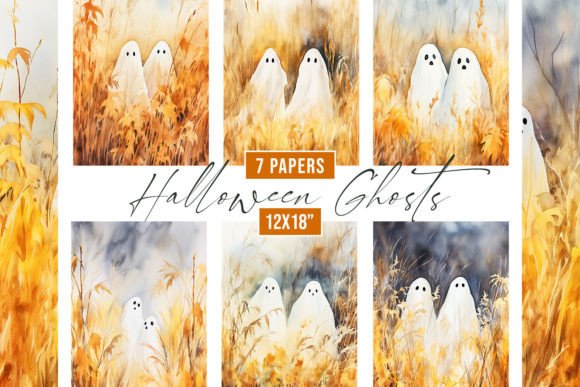
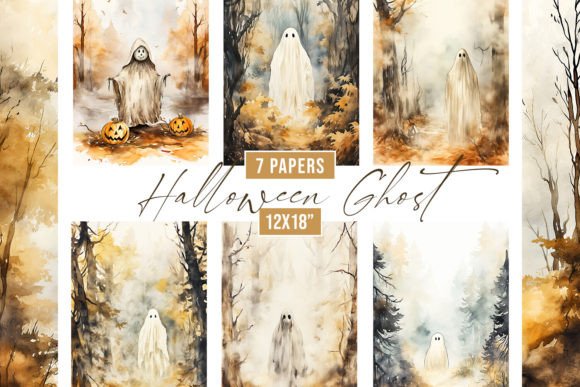
There’s a distinct difference between a generic, stock Halloween graphic and something that feels genuinely crafted. The Watercolor Halloween Ghost Backgrounds collection captures that hand-painted essence that digital assets often lack. These aren’t just flat, vectorized ghosts; they carry the beautiful imperfections of watercolor—soft bleeds, textured paper grain, and organic color variations in the purples, oranges, and grays. This style bridges the gap between vintage aesthetic and modern minimalism. It offers a "creepy-cute" vibe that appeals to a sophisticated audience rather than just children. The visual personality here is whimsical yet eerie, providing a perfect canvas for projects that need a touch of spooky season without being overly gory or cartoonish.
Practical Applications for Designers and Crafters
When working with high-resolution assets like these 12x18 inch backgrounds, versatility is your greatest asset. Because the files are provided at 300 DPI in JPG format, they bridge the gap between digital publishing and physical manufacturing. For graphic designers and marketers, these backgrounds serve as excellent base layers for social media graphics during October. They provide enough visual interest to stop the scroll without overwhelming your typography. If you are working on brand identity for a coffee shop, bakery, or boutique planning a Halloween event, these textures add an artisanal quality to your menus and flyers.
For the crafting community—specifically those involved in junk journaling and scrapbooking—the size is critical. A 12x18 inch layout allows you to print full-page spreads or cut them down into pockets, tags, and ephemera. The watercolor texture holds up beautifully when distressed or folded, adding to the authenticity of handmade cards. If you are a content creator or blogger, consider using these as Zoom backgrounds or YouTube thumbnails to create seasonal atmosphere instantly. The visual hierarchy remains clear because the watercolor style acts as a supporting element, allowing text overlays to stand out effectively.
Evaluating Fit and Visual Hierarchy
Choosing the right background is about more than just picking a "spooky" image; it’s about evaluating how it interacts with your foreground elements. When incorporating these Watercolor Halloween Ghost Backgrounds into your workflow, you need to consider the readability of your text. Watercolor textures can be busy, but the soft blending in this collection offers natural resting places for the eye. If you plan to overlay a serif font for a vintage editorial look, ensure the background color values are slightly muted to maintain contrast. Conversely, pairing these backgrounds with a bold, modern sans serif font creates a striking juxtaposition between the organic texture and clean geometry.
There is no need to overcomplicate your layout. Let the background do the heavy lifting for the mood. If you are designing an invitation, keep the layout simple. The watercolor ghosts provide the necessary "decoration," so you don't need to add excessive borders or flourishes. This approach aligns with professional modern typography principles where whitespace (or in this case, texture-space) is utilized to direct the viewer's attention.
Maximizing Your Design Assets
As a creative professional or small business owner, the value of a digital asset is measured by its longevity and adaptability. These backgrounds are not limited to the obvious Halloween party invites. Think about the broader scope of packaging design. If you sell artisanal goods, soaps, or candles, a subtle ghost texture on the back of a box or a belly band adds a premium, seasonal touch that elevates the unboxing experience.
Here are a few practical ways to integrate these assets into your upcoming projects:
- Junk Journaling: Print the backgrounds on matte paper to emulate the look of original art journal pages. Use them as "foundation pages" or tip-in pockets.
- Web Design: Use a cropped section of the texture as a hero image background for a landing page. Ensure you apply a slight overlay to guarantee text legibility for web design standards.
- Logo Design Mockups: If you are a designer presenting a seasonal logo concept to a client, placing the design on a textured background like this helps the client visualize the brand identity in a real-world context.
- Scrapbooking: Because the resolution is high (3600x5400 pixels), you can zoom in on specific sections of the watercolor wash to create unique photo mats without losing quality.
Technical Considerations for Print and Digital
Understanding the technical specifications ensures your final product looks professional. The 300 DPI resolution is the industry standard for high-quality printing. Whether you are sending these to a professional printer for large format posters or printing them on a home inkjet, you will achieve crisp edges on the watercolor details. However, keep in mind that monitor calibration can affect how the colors look on screen versus print. It is always recommended to do a test print on a small section before committing to a full batch of invitations.
Furthermore, when using these in editorial design, such as a Halloween-themed newsletter or digital magazine, file size management is key. While the JPGs are print-ready, you may need to optimize them for web use to ensure fast loading times. Resize them to 72 DPI for screen viewing, but always keep your master 300 DPI files archived for future use. This collection acts as a long-term library. You aren't just buying a background for one card; you are acquiring a versatile set of design assets that can be manipulated, recolored, and repurposed for years to come.